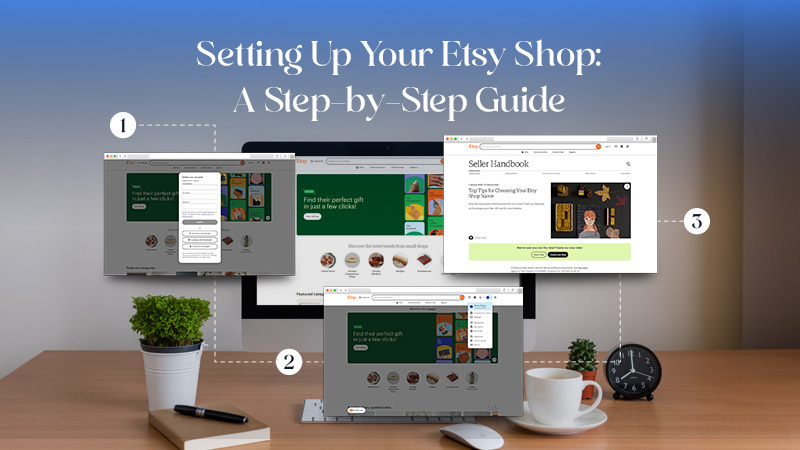
Starting an Etsy shop is like planting a seed in a vibrant marketplace where creativity thrives. With over 96 million active buyers in 2025, Etsy offers a unique platform for artisans, crafters, and entrepreneurs to turn their passions into profit. Whether you’re a jewelry maker, a digital artist, or a vintage collector, this guide walks you through every step to launch a successful Etsy shop. Drawing from my own experience launching a small online business and insights from top Etsy sellers, I’ll share actionable strategies, practical tips, and a sprinkle of humor to make this journey as exciting as your first sale. Let’s dive in!
Why Choose Etsy for Your Creative Business?
Etsy stands out as a haven for unique, handmade, and vintage goods, connecting sellers with buyers who crave originality. Its user-friendly platform and built-in audience make it ideal for beginners and seasoned entrepreneurs alike. With the right approach, your shop can become a bustling hub of sales and creativity.
Understanding Etsy’s Unique Appeal
Etsy’s charm lies in its community-driven ethos, where buyers seek one-of-a-kind items. Unlike Amazon, it prioritizes individuality over mass production, making it perfect for niche products. In 2024, Etsy generated $2.8 billion in revenue, a testament to its growing popularity.
Who Should Start an Etsy Shop?
Anyone with a creative spark can thrive on Etsy—crafters, artists, or even those curating vintage finds. If you’ve got a knack for making or sourcing unique items, Etsy’s marketplace is your stage. It’s also ideal for side-hustlers looking to test the waters without quitting their day job.
Step 1: Define Your Niche and Product Ideas
Before you set up shop, you need a clear vision of what you’ll sell. Your niche is the heartbeat of your Etsy business—choose something you’re passionate about that also has market demand. Think of it like picking the perfect playlist for a road trip: it’s gotta vibe with you and your audience.
Brainstorming Your Product Line
Start by listing your skills, hobbies, or items you love. Are you a knitter, a graphic designer, or a vintage treasure hunter? Use tools like eRank or Marmalead to research trending products and keywords, ensuring your ideas align with what buyers are searching for.
Validating Your Ideas
Test your product ideas by checking Etsy’s search bar for autocomplete suggestions. For example, typing “handmade” might reveal “handmade wooden tray” as a popular search. Validate demand by analyzing competitors’ sales and reviews to ensure your niche isn’t oversaturated.
Step 2: Create Your Etsy Seller Account
Setting up your Etsy account is as easy as signing up for a new social media platform, but with a paycheck at the end. This step lays the foundation for your shop, so take your time to get it right.
Signing Up and Choosing a Shop Name
Head to Etsy.com and click “Sell on Etsy” to create a seller account. Choose a shop name (up to 55 characters) that reflects your brand and products, like “SilverDollarCandleCo” for candles. Avoid overly whimsical names that confuse buyers about what you sell.
Setting Up Your Profile
Complete your profile with a professional photo and a brief bio. Share your story—buyers love knowing the person behind the product. For example, I once connected with a buyer who purchased my hand-painted bookmarks because she loved my story about painting during quiet evenings.
Step 3: Craft a Compelling Business Plan
A business plan isn’t just for suits in boardrooms—it’s your roadmap to Etsy success. Think of it as your shop’s GPS, guiding you through inventory, pricing, and marketing without getting lost.
Outlining Your Goals and Operations
Define your short-term and long-term goals, like making 10 sales in your first month or scaling to 100. Detail daily operations: how you’ll source materials, manage inventory, and handle shipping. Include a basic financial plan with startup costs and pricing strategies.
Budgeting for Success
| Expense | Estimated Cost | Notes |
|---|---|---|
| Etsy Listing Fees | $0.20 per listing | Renew every 4 months |
| Transaction Fees | 6.5% per sale | Applied to item price + shipping |
| Supplies | $50–$500 | Varies by product type |
| Photography Equipment | $100–$300 | Camera, lighting, backdrops |
| Marketing (Ads, Social Media) | $20–$100/month | Optional but recommended |
This table helped me budget for my shop’s launch, ensuring I didn’t overspend on fancy props before my first sale.
Step 4: Optimize Your Shop for Etsy SEO
Search Engine Optimization (SEO) is your secret weapon to get noticed on Etsy. It’s like putting a neon sign on your shop in a crowded marketplace. Done right, it drives traffic while you sleep.
Understanding Etsy SEO Basics
Etsy’s algorithm uses query matching and ranking to show relevant listings. Query matching checks if your titles, tags, and categories match a buyer’s search, while ranking considers factors like conversion rates and customer reviews. Focus on both for maximum visibility.
Keyword Research Tips
- Use Etsy’s Search Bar: Type your main product (e.g., “custom poster”) to see autocomplete suggestions like “custom wedding poster.”
- Leverage Tools: Use eRank or Marmalead to find high-search, low-competition keywords. For example, “rustic serving tray” might have less competition than “tray.”
- Incorporate Long-Tail Keywords: Phrases like “handmade chunky knitted blanket” target specific buyers with higher purchase intent.
Optimizing Titles, Tags, and Descriptions
Craft titles with descriptive keywords at the start, like “Handmade Gold Nameplate Necklace” (50–60 characters for Google visibility). Use all 13 tags with a mix of broad and specific terms, avoiding duplicates of your category. Write descriptions that answer buyer questions and include keywords naturally.
Step 5: Create Stunning Product Listings
Your listings are your shop’s storefront windows—make them irresistible. High-quality photos, detailed descriptions, and strategic pricing can turn browsers into buyers faster than you can say “cha-ching!”
Taking High-Quality Photos
Invest in a decent camera or use a smartphone with good lighting. Shoot against clean backgrounds to make your product pop. For example, my friend’s candle shop saw a 30% sales boost after switching from dim iPhone photos to bright, staged shots. Add alt text to images for SEO and accessibility.
Writing Compelling Descriptions
Describe your product’s features, materials, and uses in the first 160 characters for Google’s meta-description. For instance, “Handmade ceramic mug, 12 oz, dishwasher-safe” hooks buyers quickly. Avoid keyword stuffing—keep it natural and engaging.
Pricing Your Products
Factor in material costs, time, and Etsy fees (6.5% transaction fee + $0.20 per listing). Compare competitors’ prices using eRank to stay competitive. Offering free shipping can boost rankings, but include shipping costs in your price to avoid losses.
Step 6: Set Up Shop Policies and Customer Service
Clear policies build trust and improve your SEO. Think of them as the fine print that makes buyers feel safe, like a warm hug from your shop.
Defining Shipping, Returns, and Payments
Complete your shop’s policies for shipping, returns, exchanges, and payments. Offer competitive shipping options (free shipping boosts rankings) and clear return policies. Respond to customer inquiries within 24 hours to maintain a high customer service score.
Encouraging Reviews
Positive reviews enhance your shop’s credibility and SEO. After a sale, politely ask buyers for feedback via Etsy’s messaging system. I once sent a thank-you note with my order, and the buyer left a glowing review that brought in more sales.
Step 7: Market Your Etsy Shop
Marketing is like shouting from the rooftops about your awesome products. Combine Etsy’s tools with external strategies to drive traffic and sales.
Using Etsy Ads
Etsy Ads let you promote listings for a per-click fee, increasing visibility. Start with a small budget ($5–$10/day) and target high-performing listings. Monitor performance via Etsy’s Shop Stats to optimize your ad spend.
Leveraging Social Media
Create accounts on Instagram, Pinterest, or TikTok to showcase your products. Share behind-the-scenes content, like how you craft your items. My first Etsy sale came from a Pinterest post that went viral—proof that social media can work wonders.
Guest Blogging and Backlinks
Write guest posts for craft blogs to build backlinks to your shop, boosting Google SEO. For example, a blog post about “Top 10 Handmade Gift Ideas” linking to your shop can drive targeted traffic. Use Semrush’s Backlink Analytics to track results.
Step 8: Analyze and Refine Your Strategy
Running an Etsy shop is a marathon, not a sprint. Regularly check your performance to see what’s working and what needs tweaking.
Using Etsy Shop Stats
Access Shop Stats in your Shop Manager to track traffic, sales, and keyword performance. Identify top-performing listings and replicate their strategies. For example, if “vintage red dress” drives sales, create similar listings with slight variations.
Avoiding Common Mistakes
- Keyword Cannibalization: Don’t use the same keywords across multiple listings, as Etsy’s “de-clumping” limits how many of your listings appear in one search.
- Neglecting Renewals: Renew listings every four months or when sales slow to boost visibility.
- Ignoring Trends: Use eRank to spot seasonal trends, like “Christmas ornaments” in November, to stay relevant.
Pros and Cons of Starting an Etsy Shop
| Pros | Cons |
|---|---|
| Access to 96M active buyers | Competitive marketplace |
| Low startup costs ($0.20/listing) | Fees (6.5% transaction, payment processing) |
| Built-in SEO tools | Time-intensive setup and maintenance |
| Community-driven platform | Limited control over branding |
| Flexible for side-hustles | Algorithm changes can affect rankings |
This table helped me weigh the decision to start my shop, balancing the excitement of reaching buyers with the reality of fees and competition.
People Also Ask (PAA) Section
How much does it cost to start an Etsy shop?
Starting an Etsy shop is affordable, with a $0.20 fee per listing and a 6.5% transaction fee per sale. Additional costs include supplies ($50–$500) and optional marketing ($20–$100/month). Budgeting for these keeps your shop profitable.
How do I choose a niche for my Etsy shop?
Choose a niche based on your skills and market demand. Use tools like eRank to research trending products and keywords. Ensure your niche is specific but not too narrow, like “handmade leather wallets” instead of just “wallets.”
Can I sell digital products on Etsy?
Yes, digital products like printables, clipart, or templates are popular on Etsy. They require no inventory and have low overhead. Optimize listings with clear descriptions and high-quality previews to stand out.
How long does it take to make sales on Etsy?
Sales timelines vary—some shops see sales within hours, while others take weeks. Optimizing SEO, using high-quality photos, and marketing on social media can speed up results. Consistency is key
FAQ Section
Is it free to start an Etsy shop?
Etsy doesn’t charge to open a shop, but each listing costs $0.20, renewed every four months. You’ll also pay a 6.5% transaction fee and payment processing fees (3–4%) per sale. Budget for these to avoid surprises.
What are the best tools for Etsy SEO?
Top tools include eRank, Marmalead, and Alura for keyword research and competitor analysis. eRank’s free plan offers basic insights, while Marmalead’s Entrepreneur plan ($19/month) provides advanced features like ranking tracking.
How do I handle customer complaints on Etsy?
Respond promptly and professionally within 24 hours. Offer solutions like refunds or replacements if reasonable. Clear policies and great communication prevent disputes, which can hurt your SEO.
Can I run an Etsy shop part-time?
Absolutely! Etsy’s flexibility suits side-hustlers. Automate tasks like renewals and use scheduling tools for social media to save time. Many sellers, including myself, started part-time before going full-time.
How do I avoid Etsy shop suspensions?
Follow Etsy’s policies on intellectual property, prohibited items, and customer service. Complete your shop’s About section and policies, and avoid keyword stuffing. Check eRank’s suspension guide for common pitfalls.
Final Thoughts
Starting an Etsy shop is an adventure that blends creativity with entrepreneurship. From choosing your niche to mastering SEO, each step builds toward your first “cha-ching” moment. My own journey began with a few nervous listings and late-night photo shoots, but seeing that first sale made it all worthwhile. Stay patient, keep experimenting, and let your unique voice shine. Ready to start? Head to Etsy.com and create your shop today. Happy selling!